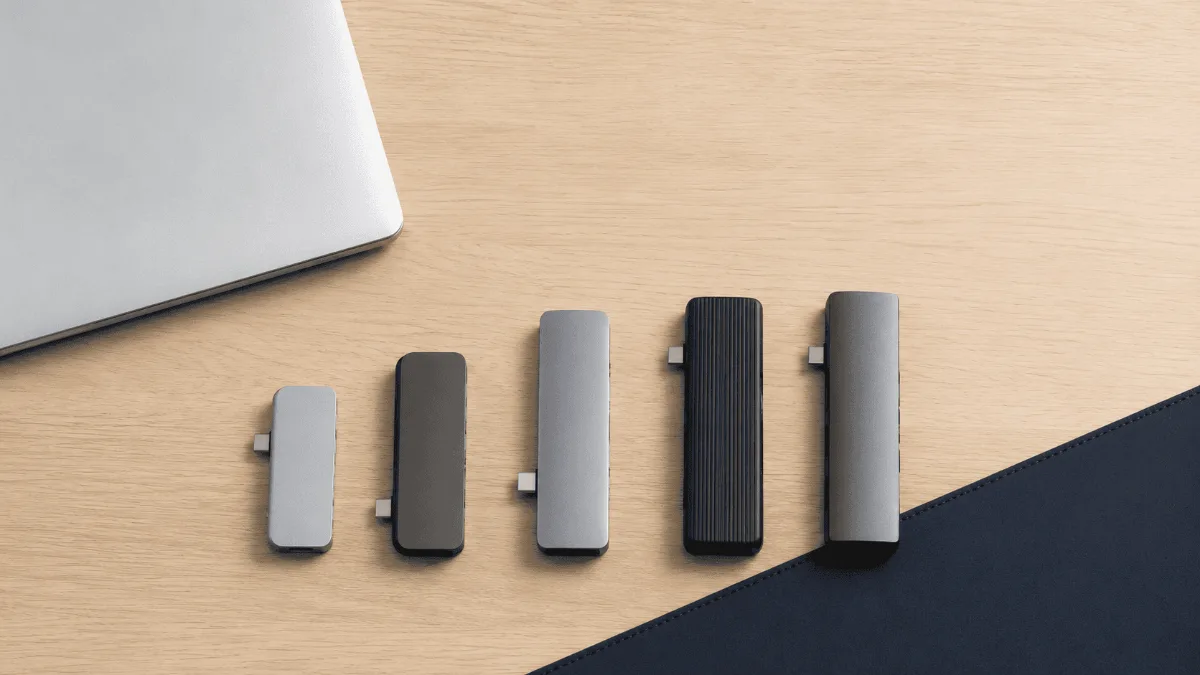
Where to buy a USB hub for your home office matters more than most people realize — the same hub can cost significantly more depending on where you shop. Figuring out where to buy a USB hub for your home office sounds simple until you realize the same hub can show up on six different platforms at wildly different prices and with very different return policies. This guide walks through every major channel — Amazon, direct-from-brand stores, big-box retail, and warehouse clubs — so you can find the best place to buy a USB hub and other home office gear without second-guessing yourself. This guide focuses on helping you find the best usb hub home office workers can trust across every channel.
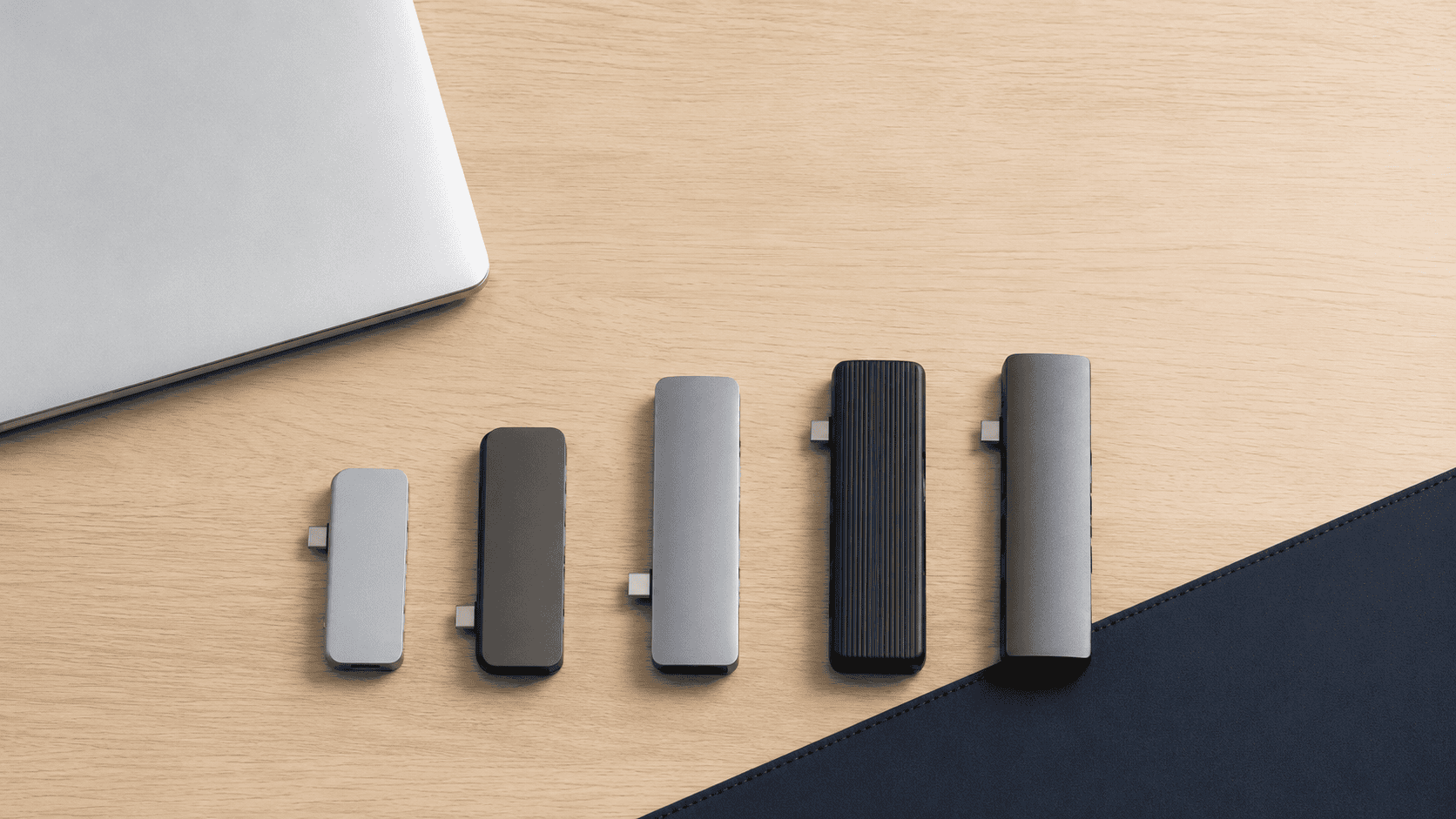
Here is the thing about buying a USB hub: the product itself is usually the easy part. You find a hub with the right ports, the right power delivery wattage, the right form factor — done. The part that trips people up is where to actually buy it. The same hub can appear on Amazon, the brand’s own site, Best Buy, and a warehouse club like Costco, each with different stock levels, different return windows, and — quietly — different prices you only discover after you have already ordered.
Anker 577 USB-C Hub (13-in-1)
The USB hub that comes up most in “bought it twice” reviews — consistent port delivery, no driver issues on Mac or Windows, and Anker’s 18-month warranty gives you a real recourse if something goes wrong.
Check Price on Amazon →So this guide is not really a product review. It is a channel map. We are going to walk through every realistic place you can buy a USB hub for your home office, talk about the honest trade-offs of each, and flag the situations where one channel is clearly smarter than another. By the end, you will know exactly where to click — or where to drive.
We will also call out four solid hub and dock options across different use cases so you have something concrete to shop for, not just abstract advice about “doing your research.”
Anker 577 USB-C Dock
13 ports, dual 4K HDMI, and 85W power delivery make this the most complete single-cable solution for a home office setup. Available on Amazon with fast Prime shipping and easy returns — the best all-around channel for this one.
See Current Price →Where to buy usb hub for home office: The Channels: Where Can You Actually Buy a USB Hub?
There are five realistic places most people end up buying a USB hub. Each has a genuine use case — none of them is always the best or always the worst choice.
1. Amazon
Amazon is where the majority of home office workers end up, and for good reason. The selection is enormous, Prime shipping is fast (usually one to two days), and the return process is genuinely painless for most products under a certain size. Owner reviews are plentiful, which means you can read through a few hundred posts and spot recurring complaints before you spend anything.
The downsides are real though. Third-party seller listings can muddy the waters — you might think you are buying a genuine hub from a known brand and instead get a warehouse-fulfilled unit with no warranty support from the brand itself. Always check that the seller is either the brand directly or “Fulfilled by Amazon” with a solid return policy shown on the listing. Counterfeit USB hubs are not common, but they exist, and the consequences (fried laptop port, failed charging) are annoying enough to be worth a 30-second check.
Best for: Fast delivery, easy returns, wide selection, reading real owner reviews before you buy.
2. Direct from the Brand
Buying directly from Anker, Plugable, CalDigit, or whoever makes the hub you want has one underrated advantage: you are definitely getting an authentic unit, and brand warranty claims tend to go smoother when you are already in their customer system. Some brands also run bundle deals or offer refurbished units on their own sites that never show up on Amazon.
The catch is shipping. Direct-from-brand often means standard shipping with no Prime equivalent, so if you need something this week, Amazon usually wins on speed. Return policies also vary a lot — some brands match Amazon’s 30-day window, others are tighter. Worth a quick read of their policy page before you commit.
Best for: Warranty peace of mind, authentic units, bundles, and refurbished deals.
3. Best Buy and Big-Box Retail
Best Buy is probably the only major brick-and-mortar option most people in the US will realistically visit for a USB hub. The in-store advantage is obvious: you can look at the physical size of the thing, check port placement, and take it home the same day. No waiting, no delivery window guessing.
The selection is more limited than online, and you will often find fewer budget options because stores tend to stock mid-range and up. Prices are generally competitive on mainstream brands, but the real niche picks — the ones that show up in “best of” lists from power users — may not be on shelves at all. Geek Squad protection plans are available if extended coverage matters to you, though for a USB hub, the math rarely works out.
Best for: Same-day pickup, seeing the size in person, avoiding shipping altogether.
4. Warehouse Clubs (Costco, Sam’s Club)
Costco in particular occasionally stocks a solid USB-C hub or docking station, sometimes at a genuinely competitive price point. The return policy at Costco is famously generous — basically unlimited for most electronics — which matters if you are buying something you are not 100% sure about.
The problem is availability. Warehouse clubs rotate their tech inventory constantly, and if they sold out of the hub you wanted, it is just gone. You cannot rely on them for a specific product. Think of this channel as “great if it happens to be there” rather than a dependable first stop.
Best for: Opportunistic buys when the right product shows up, and the return policy is hard to beat for cautious buyers.
5. eBay and Secondhand Marketplaces
For a USB hub specifically, secondhand is usually not worth the risk. These are low-cost accessories to begin with, so the savings on a used unit rarely justify the uncertainty around whether ports are fully functional or whether the power delivery is degraded. USB hubs also don’t have a meaningful resale market the way a monitor or a chair does.
There is one exception: a sealed, unused hub from a seller with strong feedback can be a legitimate deal. But it is a small edge case, not a go-to strategy.
Best for: Almost nothing when it comes to USB hubs specifically. Skip it unless you find a sealed unit at a steep discount.
Decision Framework: How to Pick the Right Channel
Four Hubs and Docks Worth Actually Shopping For
Abstract channel advice only goes so far. Here are four concrete products across different use cases, along with notes on where each one is best purchased based on availability and typical owner experience.
If you are moving from a basic USB hub to a proper docking station, the Anker 577 is where most people end up landing after going through the research rabbit hole. Thirteen ports covers pretty much every realistic home office need — dual monitors, keyboard, mouse, USB-A peripherals, an SD card reader, and still enough left over for a phone charger. The 85W power delivery is enough to keep most laptops topped off while you work, which means one cable in and you are done.
I went through a few hundred reviews on this one and the most consistent complaint is that the unit runs noticeably warm under heavy load — dual 4K displays plus charging plus a full USB-A load. It does not seem to cause failures based on the review data, but it is worth keeping it somewhere with airflow rather than buried in a cable management box. The other thing that keeps coming up: no Thunderbolt support, which matters if you are on a MacBook Pro and want to push above 4K60 or use daisy-chaining.
Where to buy it: Amazon is the clear first choice here. Anker’s support team is responsive, but they are reachable regardless of where you purchase. Amazon’s return window and Prime shipping make it the lowest-friction option for most buyers.
- 13 ports covers nearly every home office scenario
- Dual 4K HDMI works reliably for most setups
- 85W PD keeps most laptops charged while docked
- Anker’s customer support reputation is solid
- Runs warm under heavy multi-monitor load
- No Thunderbolt — limits some Mac power users
Okay, slight detour — but stay with me. A lot of people shopping for a USB hub are also setting up or upgrading their entire home office workflow at the same time. The Soundcore Space One keeps surfacing in that context because it pairs naturally with a hub purchase: plug the hub in, connect your keyboard and mouse through it, and use your freed-up USB-A slot for a headphone dongle or charging cable.
The Space One itself gets consistent praise for its battery life: 40 hours with ANC on and 55 with it off, which is class-leading at its price point. The ANC is good but not Sony-level — reviews consistently describe it as “effective for home office background noise” but “not magic on an airplane.” The plastic headband is the recurring knock, and the fabric pouch that comes in the box is basic. But for the price, the owner consensus is positive.
Where to buy it: Amazon is the simplest route, and Soundcore (Anker’s audio brand) sells direct as well. Worth checking both at time of purchase since deals shift.
- 40-hour battery life (55 with ANC off) is exceptional for the category
- ANC handles typical home office background noise well
- Swivel ear cups make it easy to pack away
- ANC is noticeably weaker than Sony or Bose equivalents
- Plastic headband feels budget-tier
Adding a USB hub to your desk changes the cable situation — for better, eventually, but the initial install can look chaotic. A desk pad anchors everything visually and gives cables a defined path to follow. The YSAGi keeps surfacing in home office setups because it is genuinely inexpensive, comes in a wide range of colors, and the waterproof PU surface is easy to wipe down. Reviewers consistently note the non-slip base holds position even when you are wrestling with cable connections.
The corners curling slightly after a few weeks comes up in maybe one in six reviews. Most people say it flattens back out with use. The thinness is real — this is not a premium thick-leather situation — but for what it costs, the owner satisfaction rate reads very high across several hundred reviews.
Where to buy it: Amazon only, really. This is not the kind of product you will find at Best Buy or Costco, and direct-from-brand is not a meaningfully better option here. Amazon is the right channel.
- Waterproof surface wipes clean easily
- Non-slip base stays put even during cable management sessions
- Wide color range fits most desk aesthetics
- Reversible dual-sided design
- Corners can curl slightly in the first few weeks
- Thinner than it looks in photos
The reason the C920x belongs in a USB hub buying guide is simple: it connects via USB-A, which means your hub choice directly affects how this camera performs. If you are running a cheap passive hub that cannot maintain consistent power and data throughput, the C920x will drop frames or cut out mid-call. The Anker 577 dock above handles it without issue — that is the kind of combination worth planning for.
On the webcam itself, I went through somewhere around 400 reviews and the pattern is remarkably consistent: people love the image quality for the price, the dual microphone works well in a quiet home office, and reliability over time is the standout — this is not a webcam people replace after six months. The only thing that keeps coming up as a complaint is the lack of a privacy shutter, which is a small but real annoyance for people who are security-conscious. If that matters to you, check out our Logitech Brio vs C920x comparison for a full breakdown of whether the upgrade is worth it for your situation.
Where to buy it: Best Buy actually stocks this one reliably in-store, which matters if you need it for a call tomorrow. Amazon is still the better default for most people thanks to Prime delivery, but Best Buy is a legitimate same-day option for this specific product.
- 1080p image quality is consistently praised across hundreds of reviews
- Dual microphone performs well in quiet home office environments
- Long-term reliability — not a webcam people replace often
- Wide compatibility with Zoom, Teams, Meet, and more
- No built-in privacy shutter
- Performance can degrade on underpowered passive hubs
Quick Channel Comparison
| Channel | Best For | Return Window | Shop |
|---|---|---|---|
| Amazon | Speed, selection, reviews | 30 days | Shop |
| Direct from Brand | Authenticity, warranty claims | Varies by brand | Shop |
| Best Buy | Same-day, in-person inspection | 15–30 days | Shop |
| Costco/Warehouse | Best return policy, deals | Generous / no limit on most electronics | Shop |
| eBay / Secondhand | Sealed units only, cautiously | Seller-dependent | Shop |
Anker 577 USB-C Docking Station
If you are buying one hub or dock for your home office, the Anker 577 is where the research consistently lands. Thirteen ports, dual 4K output, 85W charging, and a brand with a track record of actually standing behind their products. Buy it on Amazon for the fastest delivery and the easiest return path if anything is off out of the box. It is not perfect — the warmth under heavy load is real — but no competing option at this tier matches the port count and reliability combination.
Check Availability →Quick Takeaways
- Amazon wins on speed and selection for most USB hub purchases — but always verify the seller is the brand directly or “Fulfilled by Amazon.”
- Buying direct from the brand is the safest route for warranty claims and guaranteed authenticity, but shipping is usually slower.
- Best Buy is a legitimate same-day option for mainstream brands like Logitech and Anker — check their site for local stock before driving over.
- Costco has the best return policy of any channel, but you cannot rely on them carrying a specific product.
- Skip secondhand for USB hubs — the savings rarely justify the port-reliability risk.
- Your hub choice affects your webcam and other USB peripherals — a powered dock like the Anker 577 prevents the dropout issues that plague cheap passive hubs.
- A desk pad is worth ordering at the same time — cable management is 50% of the home office battle.
📚 Related Articles
For independent third-party reviews on USB hubs, RTINGS.com offers detailed benchmark data worth checking before you buy.
Now that you know where to buy a USB hub for your home office, the next step is making sure your whole desk setup works together. A hub alone will not fix a cluttered, underperforming workspace — pairing it with the right monitor arm, docking station, or standing desk will. Check out our picks for the best home office upgrades that actually change how you work to round out your setup.